

Introduction
Many first-time business owners enter commercial leasing thinking it will be similar to renting a home — just with more space and higher rent. That assumption often leads to costly surprises. Commercial leasing operates under a completely different set of rules, expectations, and risks. Understanding those differences early can protect your business and your personal finances.
The Biggest Difference: You’re Expected to Protect Yourself
Residential tenants are heavily protected by tenancy laws. Commercial tenants are not. In commercial real estate, the law assumes both parties are operating as businesses and are capable of negotiating and understanding risk.
That means the lease you sign is not just a formality — it is a legally binding business contract that governs your costs, obligations, and exit options for years.
A real world story
A small professional services firm leased office space believing it was “basically like renting an apartment.” The lease was five years. Two years in, the business downsized and no longer needed the space. They were shocked to learn they were still responsible for rent, operating costs, and repairs — even if the space sat empty. There was no automatic right to cancel.
Nothing illegal happened. The lease worked exactly as written.
Key Differences You Should Understand
Negotiation
Commercial leases are highly negotiable. Rent, free rent, improvement allowances, renewal options, and exit clauses can all be discussed.
Costs
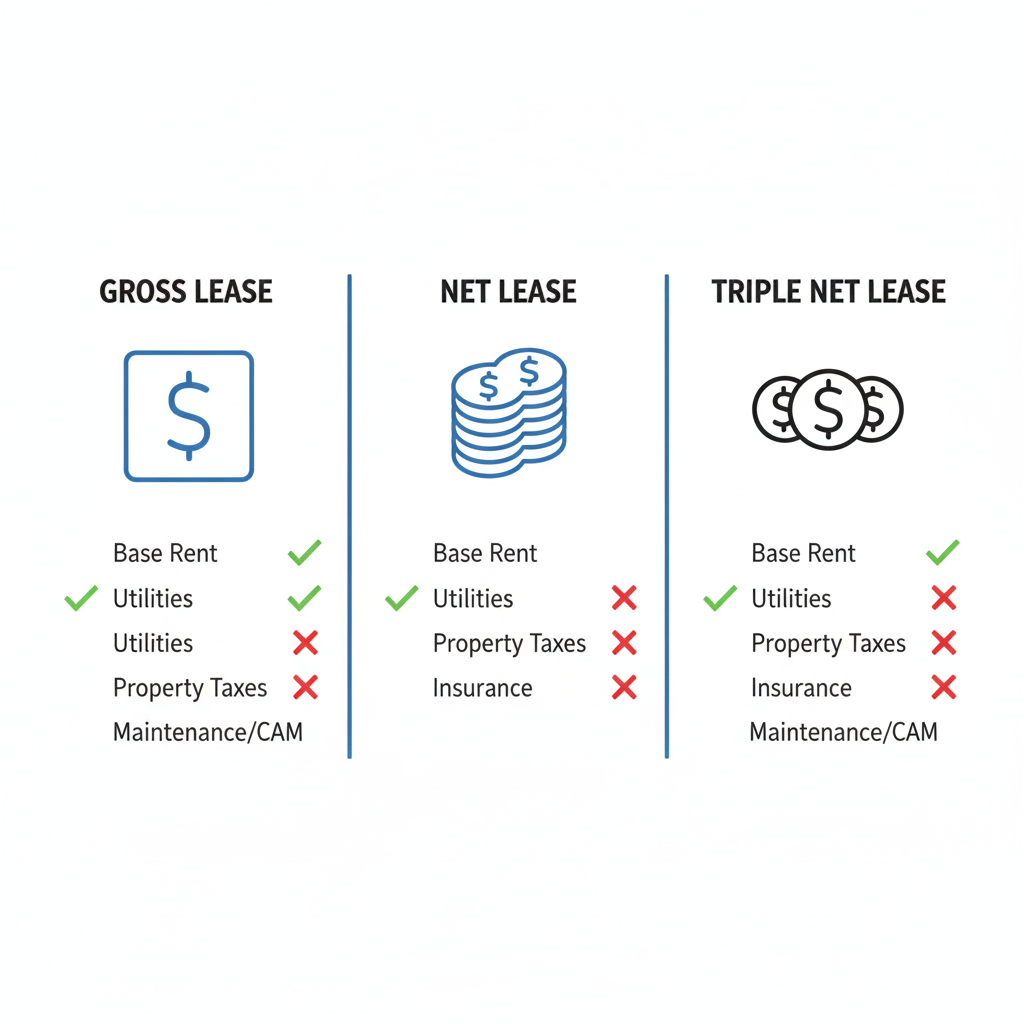
Commercial tenants often pay property taxes, insurance, maintenance, and utilities — costs that landlords usually absorb in residential rentals.
Repairs
In many commercial leases, tenants are responsible for interior repairs and sometimes even major building systems.
Time Commitment
Commercial leases are longer and harder to exit. Three, five, and ten-year terms are common.
Practical Takeaways
- Never assume a commercial lease is “standard”
- Ask what costs are in addition to base rent
- Understand your obligations if business conditions change
- Treat the lease as a business decision, not just a space decision
Conclusion
Commercial leasing can be a powerful tool for business growth, but it requires a different mindset than residential renting. The more you understand upfront, the fewer surprises you’ll face later.
Disclaimer: This blog is for general information purposes only and does not constitute legal, accounting, tax, or professional advice. Always consult qualified legal, accounting, and real estate professionals regarding your specific situation.